he International Champions Cup schedule has always been more than a list of dates and venues. When Real Madrid faced Bayern Munich in the 2019 edition。the match was played in front of 65,000 fans in Houston—a crowd that had little connection to either club but craved top-tier European football. That game kicked off at 8 p.m. local time, a slot chosen to maximize European television audiences. Such details reveal the schedule's real function: it is a commercial and logistical instrument, not a pure sporting calendar. Clubs accept the travel and compressed timelines because the International Champions Cup schedule delivers global exposure that no domestic preseason tour can match.Look at the 2018 edition. Clubs played three matches in eight days across three countries. Liverpool flew from Charlotte to New Jersey to Ann Arbor, logging over 2。000 miles between fixtures. Jürgen Klopp publicly grumbled about the "crazy" travel, yet the schedule stood. Organizers packed matches tightly because the window before domestic league kickoff is narrow. A shorter International Champions Cup schedule means lower operating costs for promoters and fewer player availability headaches for coaches. The trade-off is real: training sessions get replaced by recovery protocols, and tactical experimentation suffers. I saw this firsthand in 2017 when a visibly exhausted Chelsea side conceded four goals to Bayern in Singapore—a result that meant nothing in the standings but everything about the schedule's physical toll.Venue selection tells another story. The International Champions Cup schedule has rotated through stadiums in the U.S., China, Singapore, and Australia. Each location brings different pitch conditions, climate。and time zone shifts. A match in Melbourne at 7 p.m. local time might air at 4 a.m. in New York—a deliberate choice to capture Asian broadcast revenue. Clubs rarely control these decisions. They sign up for a package deal. The schedule becomes a fixed constraint, and coaches adapt. Some, like Carlo Ancelotti, treat the fixtures as extended training sessions. Others, like Antonio Conte, use them to test fringe players under pressure. The International Champions Cup schedule doesn't allow for perfect preparation, but it does force clarity about squad depth.Fans experience the schedule differently. A family in Los Angeles might attend a single match—say, Barcelona versus Tottenham—and treat it as a once-in-a-lifetime event. They don't care about fixture congestion. They care about seeing Lionel Messi take a corner from twenty rows away. That disconnect between fan joy and coaching frustration defines the tournament. The International Champions Cup schedule sells spectacle, and the spectacle works. Attendance figures support this: average crowds exceeded 40。
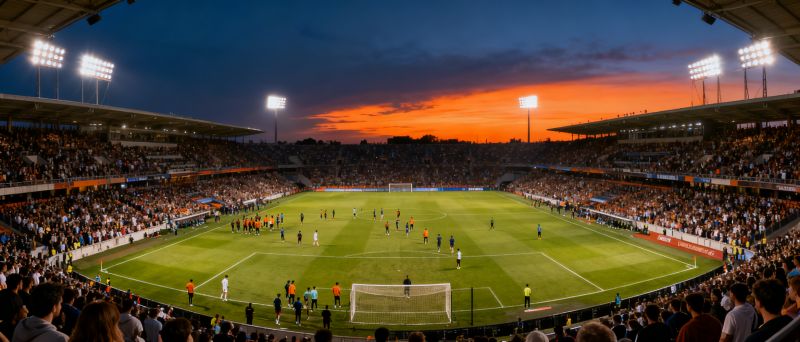
000 across major venues in 2018. The schedule's flaws—arbitrary kickoff times, long flights, uneven rest periods—matter less to ticket buyers than to the medical staff monitoring hamstring loads.Predicting future International Champions Cup schedules requires watching broadcast deals and club contracts, not football logic. If a major U.S. network pays for a Sunday afternoon slot。the schedule bends. If a European club objects to a twelve-hour flight between matches, the schedule shifts. The constant is the format's core: a handful of high-profile friendlies squeezed into two weeks, generating revenue and brand visibility. Whether that format survives depends on clubs' tolerance for commercial demands. My sense is the International Champions Cup schedule will persist as long as the money outweighs the grumbling. The moments of genuine quality—a stunning goal, a packed stadium singing—keep the product alive despite the logistical chaos behind it.